Lead Paint Safety in Seattle:
What Every Homeowner Needs to Know
Over 60% of Seattle homes were built before 1978. If yours is one of them, lead paint is almost certainly present. Here's what that means before your next painting project.
Get Lead-Safe Estimate (425) 287-3619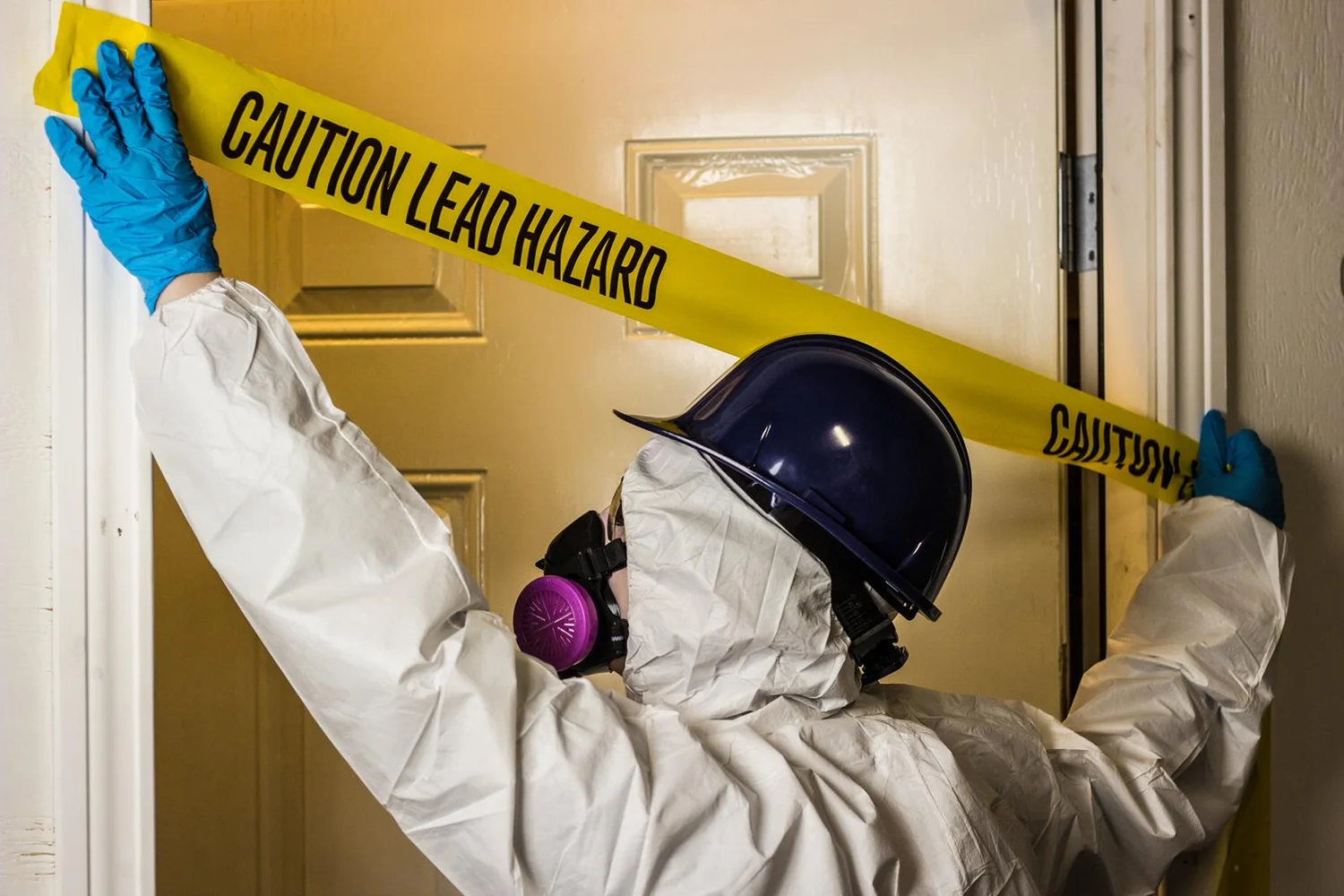
Federal Law Applies to Your Home
Any contractor disturbing more than 6 square feet of painted surface in a pre-1978 home must be EPA RRP certified under federal law (40 CFR Part 745). Hiring an uncertified contractor puts your family at risk and exposes the contractor to fines of up to $37,500 per violation per day. Always verify certification before signing a painting contract on an older Seattle home.
Does My Seattle Home Have Lead Paint?
Lead was used in residential paint throughout the United States until it was banned for residential use in 1978. The older your home, the higher the probability:
| Year Built | Lead Paint Probability | Common Locations |
|---|---|---|
| Before 1940 | 90%+ | All painted surfaces, especially trim, windows, doors |
| 1940–1960 | 70–80% | Window sills, door trim, exterior surfaces |
| 1960–1977 | 30–50% | Often in layers beneath newer paint |
| 1978 or later | Low | Lead paint was banned for residential use in 1978 |
Seattle Neighborhoods with Highest Lead Paint Risk
Seattle has one of the highest concentrations of pre-1940 housing stock on the West Coast. These neighborhoods have the most pre-1940 homes:
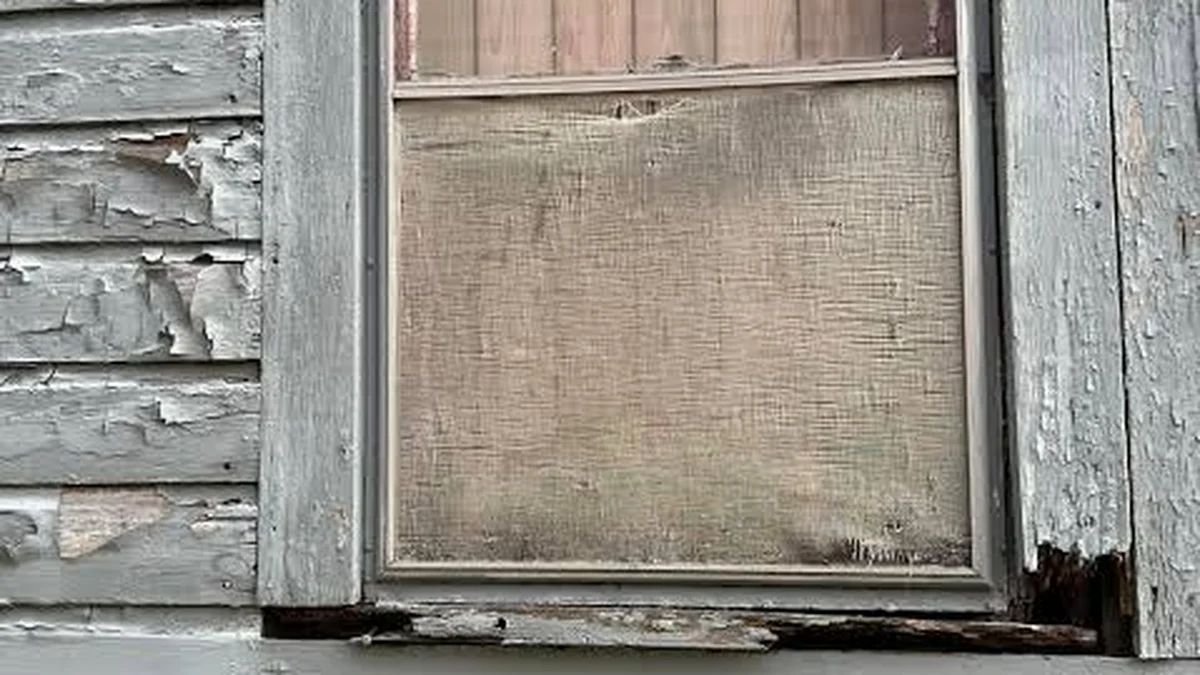
In Capitol Hill, Queen Anne, and Ballard alone, the majority of single-family homes predate 1940. Victorian-era and Craftsman bungalow construction means multiple layers of paint — some of which contain lead — on every original window frame, door casing, and exterior surface.
What an EPA RRP Certified Contractor Does on Every Pre-1978 Job
The EPA RRP rule is not just about wearing a respirator. It's a specific protocol with documentation requirements. Here's what Antonio Pizoni does on every qualifying project:
Pre-Job Assessment & Disclosure
Before any work begins, the homeowner receives the EPA's "Renovate Right" pamphlet and signs a disclosure confirming the pre-1978 status of the home. This is a federal requirement, not optional.
Full Plastic Containment
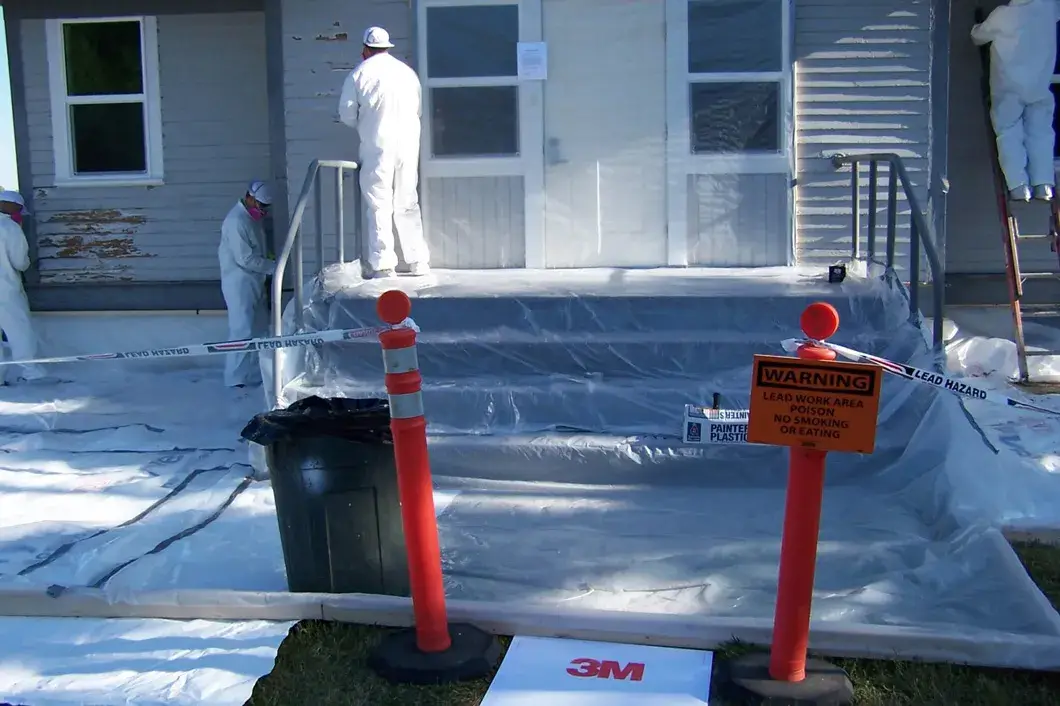
The work area is sealed with 6-mil poly sheeting on floors, walls, and any HVAC vents. For exterior work, the ground and shrubs around the home are covered to contain paint chips and dust.
Wet-Scrape Only — No Dry Sanding
Dry sanding lead paint creates airborne particles that settle throughout a home and persist for weeks. All scraping is done wet to keep paint chips intact and on the containment plastic.
HEPA Vacuum Closeout
After the work is complete and before containment is removed, a HEPA vacuum cleans every surface in the contained area. Standard vacuums recirculate lead dust — only HEPA filtration captures particles at the required level.
Lead Dust Clearance Test
Wipe samples from floors and window sills confirm that lead dust levels are below EPA clearance thresholds before the containment is removed and the area is handed back to the family.
Written Documentation
Within 30 days of project completion, a written lead-safe compliance record is provided to the homeowner — including the certification number, dates, surfaces disturbed, and cleanup documentation. Keep this with your home records.
Why This Matters for Families with Children
Lead paint that is intact and undisturbed is generally not an immediate hazard. The danger comes from disturbance — scraping, sanding, or cutting through painted surfaces releases lead dust. Children under 6 are most vulnerable because lead affects developing nervous systems. Blood lead levels have no safe threshold. A qualified EPA RRP certified contractor eliminates exposure risk during renovation work.
How to Verify EPA RRP Certification Before Hiring
Ask the contractor for their EPA RRP firm certification number. You can verify it on the EPA's website at epa.gov/lead under the "Search for Certified Renovation Firms" tool. Pizoni Painting's certification is current and verifiable.
Red Flags to Watch For
A contractor who says "it's fine, we'll be careful" without mentioning EPA RRP, who does not provide the Renovate Right pamphlet before work begins, or who quotes significantly below other bids on a pre-1978 home is likely skipping lead-safe procedures. The price difference is not worth the health risk to your family or the legal exposure to the contractor.
Frequently Asked Questions
Do I need to test for lead before getting a painting estimate?
Not necessarily — if your home was built before 1978, a licensed EPA RRP contractor will treat it as presumed lead. You can choose to test ($250–$400 for XRF testing by a certified inspector) if you want documented confirmation before any work, which can be useful for real estate disclosure purposes. Swab test kits ($30–$50) confirm presence but don't quantify levels.
Is encapsulation an option instead of removal?
Yes. If the lead paint is in good condition (not peeling, chipping, or in a friction surface like a window sill), encapsulation — painting over it with an encapsulant or standard topcoat — is EPA-approved. The EPA RRP protocol still applies to any prep work before encapsulation. Antonio Pizoni can advise on whether encapsulation or a more thorough approach is appropriate for your specific surfaces.
Does lead paint affect the resale value of my Seattle home?
Disclosure is required — Washington State law requires sellers to disclose known lead paint hazards. Documented EPA RRP remediation work (with written records) can actually strengthen a sale by showing the hazard was addressed professionally. Buyers in Capitol Hill and Queen Anne are accustomed to pre-1940 homes and expect some lead paint history — what matters is documentation that it was handled correctly.
EPA RRP Certified — Protecting Seattle Families Since 2012
Every pre-1978 project includes full lead-safe containment, HEPA closeout, and written documentation. Antonio Pizoni personally handles every estimate and job.
Get Lead-Safe Estimate (425) 287-3619